
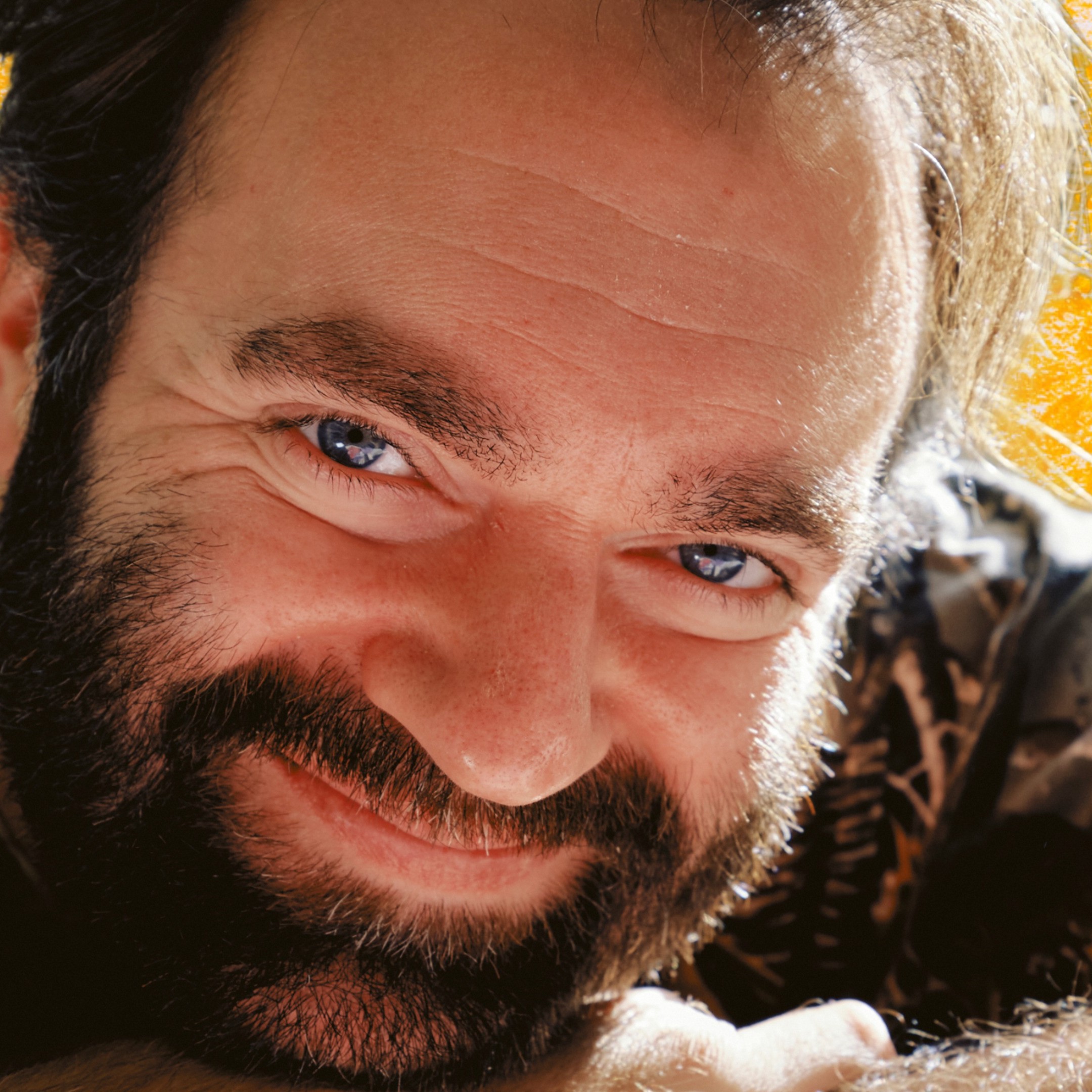
Big Winner – Blissin’ Out
Finding Bliss in the Everyday
Big Winner brings a wonderfully offbeat charm to “Blissin’ Out,” a debut single that feels like a little escape from the beautiful chaos of everyday life. Blending DIY art rock with a playful, experimental spirit, the track introduces an artist who knows how to turn ordinary moments and private thoughts into something musically intriguing. There’s a refreshing sense of freedom in this approach, as if the song grew naturally from curiosity rather than any desire to follow the rules.
What makes Big Winner particularly interesting is the imagination behind the music. Working with minimal physical instruments and an inventive collection of digital sounds, the project embraces imperfections and unexpected details instead of chasing a polished, predictable sound. That creative mix gives “Blissin’ Out” its own personality, with an experimental edge that feels inviting rather than intimidating. The result is music that encourages listeners to let go, follow their curiosity, and enjoy the little surprises along the way.
Beneath the playful exterior, there’s also something quietly relatable about the world surrounding this release. Adult life can become a blur of responsibilities, repetitive routines, and memories of who we used to be. Finding moments of happiness amid all that noise is no small thing, and Big Winner brings a thoughtful perspective to that everyday struggle. There’s humor here, but also a genuine warmth that makes the project feel personal.
“Blissin’ Out” offers a promising introduction to Big Winner’s imaginative musical world. Unconventional, heartfelt, and refreshingly independent, it celebrates the joy of creating something on your own terms. Sometimes, a little experimentation is all it takes to rediscover the fun in making music.
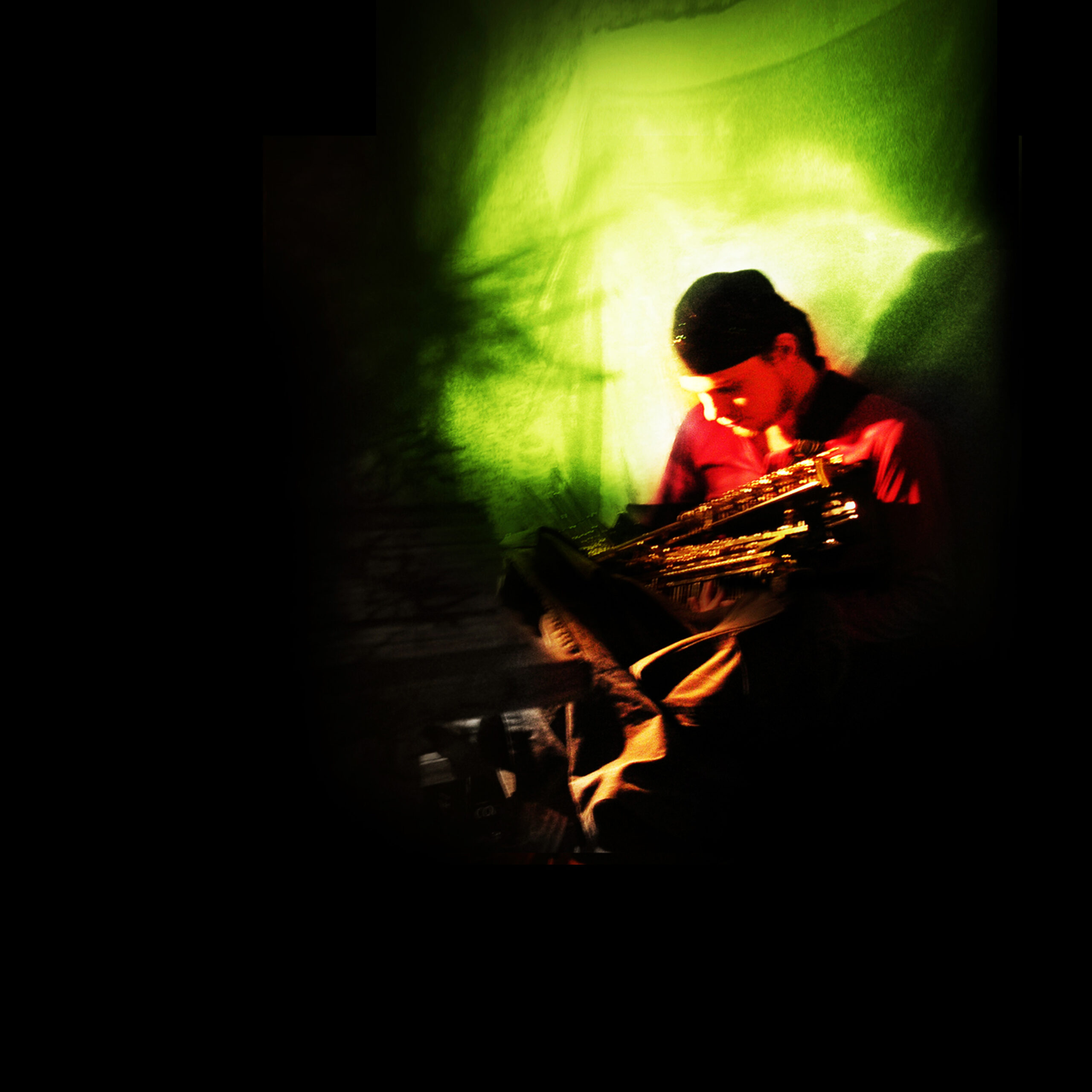
Shortout Kid – Lamb
Lamb: A Beautifully Chaotic Rock Experience
Shortout Kid’s “Lamb” is the kind of track that grabs your attention with its raw energy and refuses to play by the rules. Blending gritty rock textures with electronic experimentation, this intriguing release feels wild, edgy, and wonderfully unpredictable. It has a rebellious spirit that makes every shift in sound feel like part of a thrilling musical adventure.
What makes the track stand out is its striking contrast between aggression and atmosphere. Distorted sounds bring a fierce, almost mechanical intensity, while the choral elements add an unexpected sense of depth and drama. Rather than sticking to a familiar rock formula, Shortout Kid pushes into more adventurous territory, allowing noise, rhythm, and melody to collide in fascinating ways. The result is a sound that feels both abrasive and strangely hypnotic.
The chorus is a particularly compelling moment, offering a memorable burst of energy amid the track’s rougher edges. There is a boldness in the way everything comes together, creating an experience that feels carefully crafted without losing its untamed character. The electronic touches add another dimension, giving the music a restless pulse that keeps the listener engaged.
“Lamb” also leaves a strong impression because it embraces experimentation instead of chasing easy appeal. Its unusual sonic combinations give it a distinctive personality, making it an exciting listen for anyone who enjoys music that challenges expectations. With this single, Shortout Kid delivers a fascinating blend of noise, emotion, and alternative rock attitude. It is daring, intense, and refreshingly unconventional, leaving plenty of curiosity about what the upcoming debut album might bring.
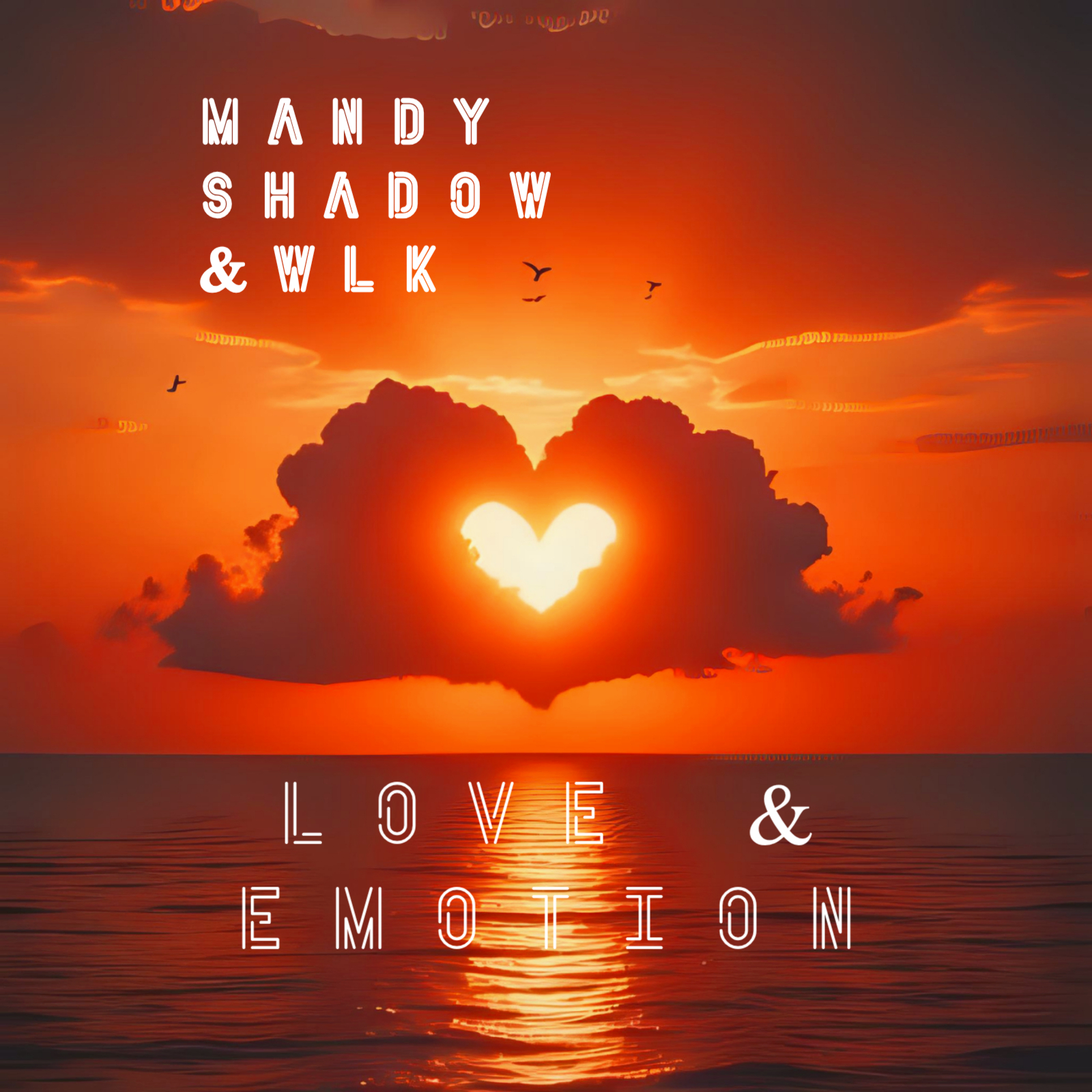
Interview with Mandy Shadow
What’s the story behind your latest song/album?
Love and Emotion is a collection of songs inspired by real-life experiences, brought to life through a wide range of instruments and electronic music styles. Each track reflects a unique journey, blending emotion, creativity, and sound into a diverse musical experience. To complement the music, selected songs are accompanied by visual stories on YouTube, adding another dimension to the album’s themes and emotions. We hope these visuals deepen your connection with the music and enhance your listening experience. As our first album created together as a couple, Love and Emotion holds a special place in our hearts. We collaborated with guitarist , Tino Delgado in tracks 6,7,8.
How has your creative process evolved over the years?
I started writing songs at an early age of 8 when I made my move from Spain to London, I had guitar lessons age 13 at school and when I was 15 I started busking on the London Eye and around Southbank, I met a lot of musicians whom inspired me so I wrote my first songs Hypnotized and many more, my sound was more rock alternative, pop, but I have an eclectic taste so I am always exploring new music and currently into the electronic genre as this album shows using synthesisers and keyboards. I don’t want my music to sound the same, you have to evolve as an artist and not be afraid to express yourself. My songs are based on true events about my life.
Is there a specific moment in your career that felt like a turning point?
When I moved for love to Lanzarote 8 years ago I left the busy city of London after 20 years and I lived in the small village of Guatiza. The songs I wrote while I was here were about the people I met and my personal experience. The turning point was after playing with many people here in different bands, I realised that there are a lot of artists who have bands with their own music so I also wanted a platform to showcase all my music so I presented myself as a solo act in the Teguise Music Showcase 2025. Thanks to that it led me to meet more creatives and that’s how collaborations started.
What’s one misconception people have about being a musician?
People immediately ask me If I perform regularly and when I say no, they are surprised. This is because they don’t understand that I would rather create my own music than do covers for entertainment. The reality is that the pay for artists is low or they don’t pay you at all. I have a small following of people and if I can reach more audiences it would be great. All I want to do is make new music all the time.
Who or what has been inspiring your music lately?
My husband whom I recorded and released this album with WLK, have a studio in our living room, studiosieben and we invite selected artists every month to jam and create new music. We have many instruments and he is a fan of synths, so the possibilities are endless.
Can you share a memorable or unexpected moment from a live performance?
When I was 15 I wrote a song for the memory of my grandfather, One Wish and performed it in the school concert, a mum from the audience came to me crying in tears and said she had felt my pain.
How do you handle creative blocks or self-doubt?
I try not to compare to what other people are doing, instead I support other creatives and online because all of us musicians are on the same boat, we just want people to listen to our art. It does feel like being a needle in a haystack sometimes , but at least I can now create my music the way I want it to sound and after many years now, it is my own personal accomplishment.
If you could collaborate with any artist, living or dead, who would it be and why?
Bob Dylan because he is the reason I started songwriting and being influenced by his music and poetry and the beginning of folk music . He takes me back to the start of my music journey. You either love him or hate him. The fact that he is still writing and performing at his age is a legend.
What’s a piece of advice you wish you had received earlier in your career?
I did receive advice from my art teacher Mick Gale, he told me to go for it and be brave and keep singing and playing everyday. He came up with my artist name Mandy Shadow because we both played The Shadows music in the art room with our guitars. He called me Hank. Thanks, Mr Gale for believing in me.
What’s next for you—any exciting projects or goals on the horizon?
I have a lot of new songs ready to record in our studio.I enjoy editing and filming videos and I will continue my music journey and expressing emotions as long as I’m living.
CONTACTS: Instagram
Manufracture Music – System Apathy
Machines Without Meaning
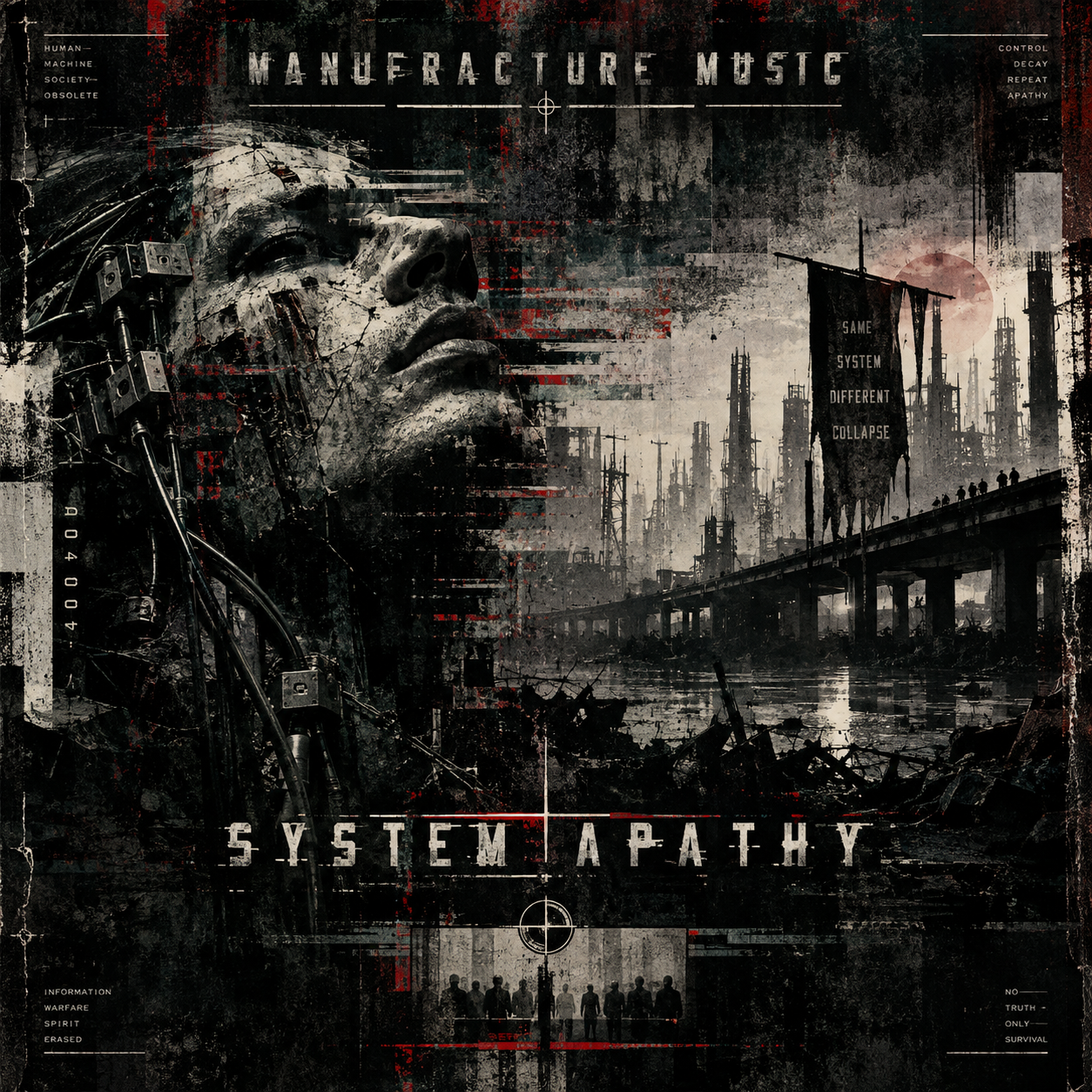
Manufracture Music’s “System Apathy” is the kind of industrial track that doesn’t simply create a dark atmosphere—it pulls you straight into one. Built around distorted electronic pulses, heavy mechanical rhythms and cold, cinematic textures, the track feels like the soundtrack to a civilization quietly coming undone. It is bleak, unsettling and strangely hypnotic.
Valerian Steel’s hardware-first approach gives the production a physical presence. The analog synthesizers and drum machines don’t sound polished into lifeless perfection; instead, their grit, tension and imperfections become part of the experience. Every pulse seems to carry a sense of machinery working overtime, even as the world around it begins to lose its purpose. That contrast gives the track plenty of character.
What makes “System Apathy” especially compelling is the thought behind its dystopian mood. This isn’t darkness for darkness’s sake. The song explores technological collapse, social indifference and the uncomfortable possibility of systems continuing to function even when the people inside them have stopped caring. It leaves a lingering feeling of unease without sacrificing its musical drive.
The concept becomes even more intriguing through the deliberate clash between analog hardware and AI-generated visuals. Rather than hiding that contradiction, Manufracture Music puts it at the centre of the artistic identity, raising questions about technology, authenticity and creativity.
Cold, forceful and wonderfully atmospheric, “System Apathy” proves that electronic music can make you move while simultaneously making you think. It is a compelling piece of dystopian industrial music with plenty to say beneath its mechanical surface.