

Gon von Zola – Comfortable
Where Stillness Feels Like Home
Gon von Zola’s “Comfortable” doesn’t try to impress you in obvious ways—it settles in quietly, like a feeling you didn’t realise you needed. There’s something disarmingly sincere about a track built entirely by one person, and here, that solitude translates into a kind of emotional clarity that’s hard to fake.
From the first few moments, the song leans into a warm, immersive soundscape. The instrumentation feels intimate, almost like it’s unfolding in a private space rather than a studio. That sense of closeness mirrors the heart of the track itself: the rare ease of being with someone where nothing feels forced or out of place. Gon von Zola captures that fragile balance between comfort and something deeper—something that lingers just beyond words.
What makes “Comfortable” resonate is its quiet awareness of time. There’s an undercurrent that suggests these perfect moments don’t always last, and that awareness gives the song a bittersweet edge. It doesn’t dwell in sadness, but it doesn’t ignore it either. Instead, it sits in that in-between space, where appreciation and longing coexist.
There’s no excess here, no overproduction—just a carefully crafted piece that feels honest to its core. “Comfortable” isn’t just about connection; it’s about recognising it while it’s still within reach. And maybe holding it a little tighter because of that.
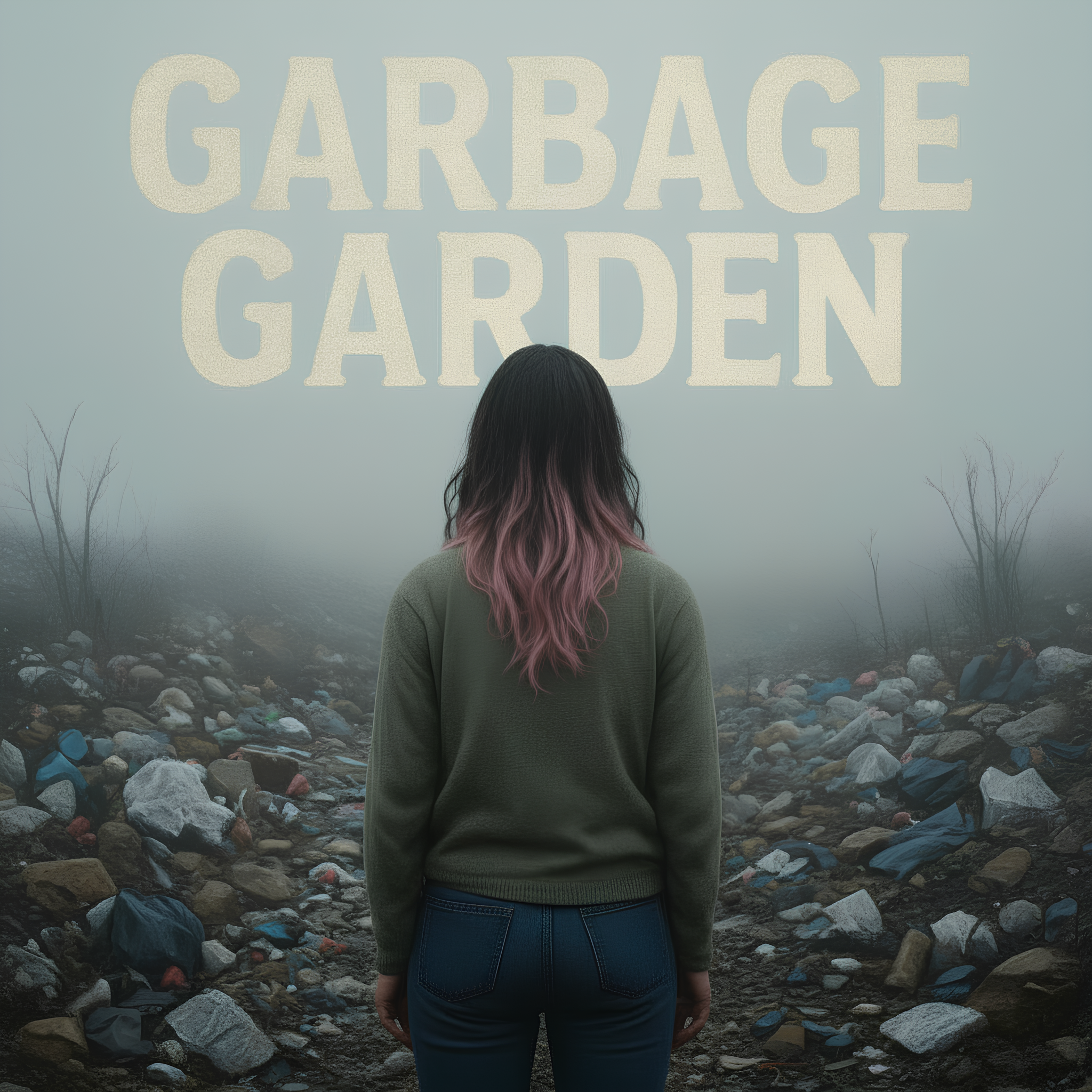
Garbage Garden – busy. being. Real.
Soft Static, Hard Truths
There’s something quietly disarming about busy. being. Real. by Garbage Garden. It doesn’t arrive with a bang or demand your attention—it lingers instead, like a thought you didn’t realize you were already carrying. Built on a subtle, almost fragile sonic palette, the track leans into restraint, letting space and texture do much of the emotional heavy lifting.
What stands out most is the atmosphere. There’s a digital haze wrapped around the production, but beneath it, something deeply human pulses through. Garbage Garden seems less interested in performance and more in observation—of disconnection, of quiet exhaustion, of the unnoticed corners of modern life. The song feels like it’s documenting rather than declaring, and that gives it an unusual honesty.
The pacing is deliberate, almost meditative. It invites you to slow down, even as the title hints at the constant rush of being “busy.” That contrast works in its favor, creating a tension between movement and stillness, noise and introspection. You get the sense that this isn’t about solving anything—it’s about sitting with what is.
There’s a certain humility in the way Garbage Garden approaches the track, and it pays off. Nothing feels overworked or overstated. Instead, busy. being. Real. becomes a quiet companion—one that doesn’t try to fix the world, but gently reminds you to notice it.

Milyam – Intimacy
Velvet Shadows and Quiet Confessions
Milyam’s “Intimacy” feels less like a song and more like stepping into a carefully lit room where every detail has intention. There’s a hush to it—not silence, but a kind of controlled stillness that pulls you closer rather than pushing for attention. It’s in that restraint where the track finds its strength.
The production leans into a cinematic space, blending atmospheric R&B with a polished, almost sculptural electronic touch. Nothing feels excessive. Each beat, each layer, arrives with purpose, creating a soundscape that’s both expansive and deeply personal. It’s the kind of track that doesn’t rush you—it lets you sit in it, absorb it, and maybe even get a little lost.
Milyam’s vocal presence carries a quiet confidence. There’s a softness there, but it’s not fragile—it’s deliberate, controlled, and emotionally grounded. She doesn’t overreach; instead, she lets nuance do the heavy lifting. That choice makes the emotional undercurrent feel authentic, not manufactured.
What stands out most is the aesthetic cohesion. “Intimacy” isn’t just about sound—it’s about mood, texture, and identity. There’s a sense that Milyam knows exactly what world she’s building and isn’t interested in compromising it for accessibility.
It’s a slow burn, no doubt. But for those willing to lean in, “Intimacy” offers something rare—a space where vulnerability and elegance coexist without trying too hard to impress.