

AEvina – don’t wannabe a wannabe
Dancing Through the Mirror
Ævina’s “don’t wannabe a wannabe” feels like stepping into a room full of mirrors—each one reflecting a slightly different version of who you are, or who you think you’re supposed to be. It’s a track that pulses with the quiet anxiety of being seen, yet somehow transforms that unease into something liberating, even euphoric.
Built on a sleek electronic foundation, the song leans into a blend of house rhythms and hyperpop textures, creating a soundscape that feels both intimate and expansive. The production—handled entirely by Ævina herself—has a kind of controlled chaos to it, where shimmering synths and layered, processed vocals echo the internal tug-of-war at the heart of the track. There’s a sense of motion throughout, as if the song refuses to sit still, mirroring the emotional restlessness it explores.
What makes this release stand out is its emotional honesty. Ævina doesn’t try to resolve the tension between authenticity and expectation; instead, she lets it exist, raw and unresolved. That choice gives the track its depth. It’s not just about resisting labels or rejecting superficiality—it’s about acknowledging the desire to belong, even when it feels at odds with who you are.
There’s something quietly defiant in how the song unfolds. It doesn’t shout its message; it carries it forward, beat by beat, inviting listeners to move, reflect, and maybe let go a little. In that sense, “don’t wannabe a wannabe” isn’t just a statement—it’s a release.
Split Second – Baby Blue
Electric Hues of Growing Up
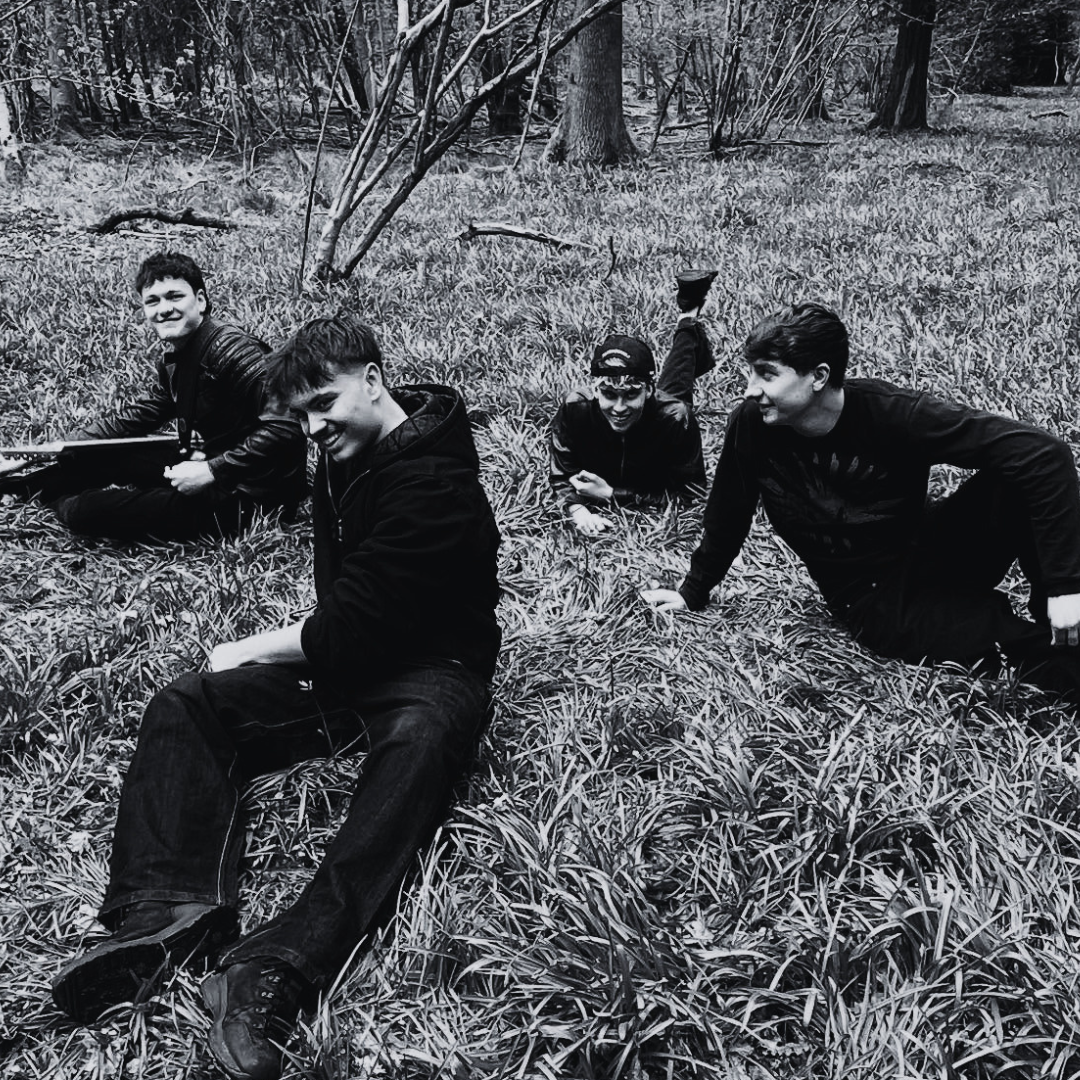
Split Second’s “Baby Blue” feels like a moment of quiet realization wrapped inside a surging indie-pop anthem. There’s a certain kind of emotional weight here that doesn’t try too hard—it just is. From the opening bars, the track leans into a fuller, more confident sound, balancing crisp guitar work with a melodic pull that lingers long after the song ends.
What really stands out is how naturally Split Second navigates the messy, often confusing terrain of relationships. The song doesn’t dramatize these emotions; instead, it lets them breathe. That restraint gives “Baby Blue” a sense of maturity, as if the band has stepped into a clearer understanding of both their sound and their storytelling.
The instrumentation carries a familiar indie swagger, but there’s a freshness in how it’s delivered. It feels tighter, more purposeful—like every beat and chord knows exactly where it belongs. At the center of it all is a vocal performance that adds a layer of vulnerability, grounding the track in something deeply human.
“Baby Blue” isn’t just catchy—it’s reflective. It captures that strange intersection between nostalgia and growth, where everything feels both distant and immediate at once. With this release, Split Second shows they’re not just riding the wave of indie-pop—they’re shaping their own current within it.
Rivermind – Nightlight
Glow in the Quiet Hours
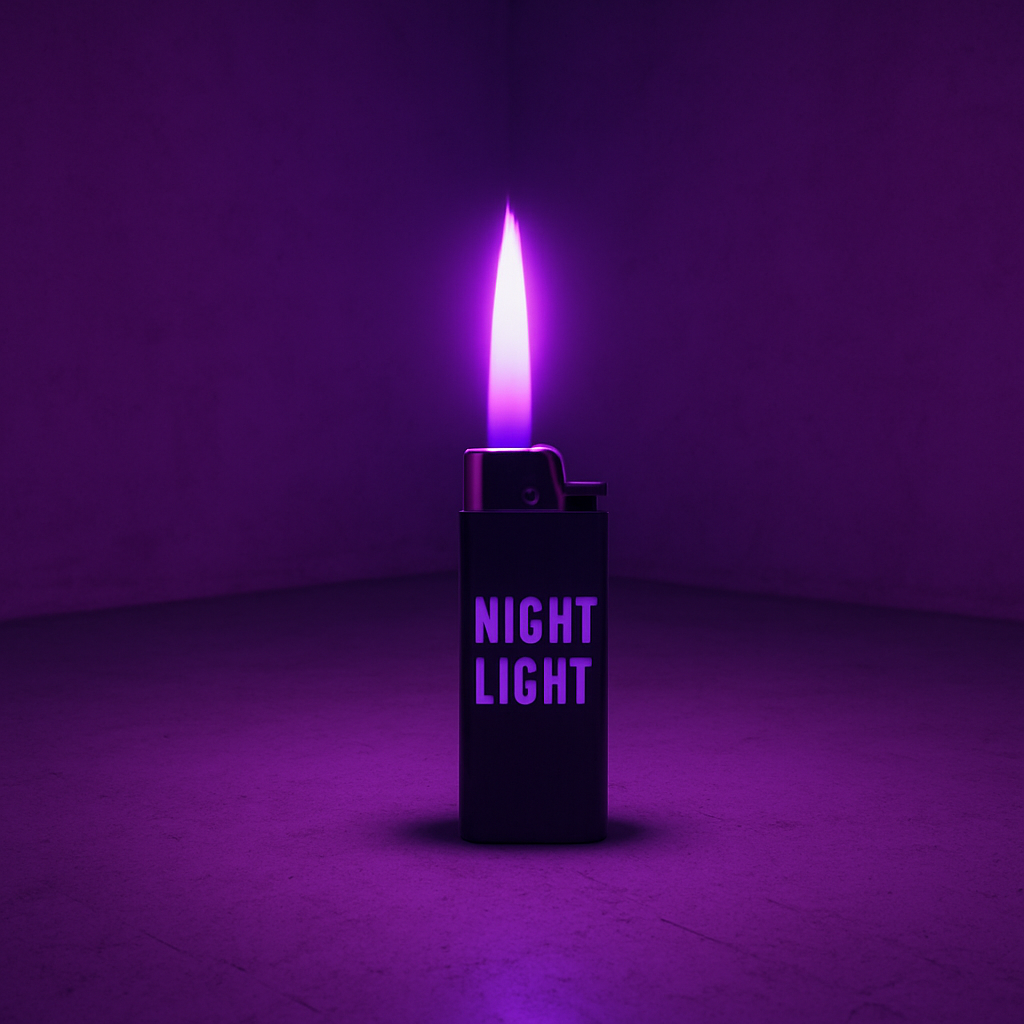
There’s something instantly arresting about how Rivermind approaches Nightlight. It doesn’t rush to impress—it pulls you in, slowly, like a conversation that gets deeper the longer you stay. Built on a throbbing, distorted bass and layered guitar textures, the track carries a quiet intensity that feels both intimate and expansive at once.
The production walks a fine line between alt-rock grit and dream-pop softness, and that balance is where the song really breathes. The drums keep things grounded, steady, and purposeful, while the guitars shimmer and swell around them, creating a hazy, late-night atmosphere. It’s the kind of soundscape that feels made for long drives or reflective moments when the world has gone still.
What truly elevates Nightlight is its vocal presence. The delivery is expressive without being overdone, floating above the instrumentation with a sense of longing and quiet hope. There’s a dark-romantic undercurrent here, but it never feels heavy—instead, it glows, subtle and persistent.
Rivermind shows a clear sense of identity in this track. You can hear the chemistry, the years of shared musical instinct shaping something cohesive and confident. Nightlight doesn’t just aim for impact—it lingers. It’s immersive, melodic, and quietly anthemic, the kind of song that grows stronger with each listen and leaves a lasting imprint long after it fades.

Kiki Kramer – dionysus
Velvet Chaos Under Blue Lights
Kiki Kramer’s “dionysus” feels like stepping into a dimly lit afterparty where glamour and danger blur into something hypnotic. From the very first camera shutter, the track pulls you into a world that’s equal parts seductive and unsettling. There’s a slow-burn intensity here—an alt-pop pulse wrapped in industrial edges—that mirrors the emotional tug-of-war at the heart of the song.
Kramer plays with mythology in a way that doesn’t feel distant or academic. Instead, it’s intimate, almost confessional. The reference to Dionysus isn’t just aesthetic—it becomes a metaphor for obsession, power, and losing yourself in someone else’s orbit. Her lyrics drip with irony and self-awareness, especially as she navigates parasocial desire and the hunger for validation. Lines about paparazzi, fixation, and blurred identity hit with a quiet sting, making you pause even as you sway along.
What really lands is the tone. There’s a playful bite beneath the sultry delivery, like Kramer is both inside the fantasy and sharply critiquing it. That duality—wanting the spotlight while questioning it—gives the song its edge. Sonically, it’s polished but not sterile; there’s grit beneath the gloss, a tension that keeps it from ever feeling too comfortable.
“dionysus” lingers long after it ends. It’s not just a late-night anthem—it’s a mirror held up to desire in the digital age, reflecting something a little too real beneath the shimmer.

theestategentleman – New Hope
Rising Through the Noise
There’s something quietly defiant about “New Hope” by theestategentleman. It doesn’t rush to impress—it builds, settles in, and then starts to speak with conviction. Rooted in classic guitar-driven rock, the track carries a sense of familiarity, yet never feels dated. Instead, it leans into its influences with purpose, using them as a foundation rather than a crutch.
From the opening moments, the song establishes a steady, almost resolute atmosphere. The guitars are crisp but not overwhelming, allowing space for the message to breathe. There’s a lived-in quality to the sound—like an artist who has taken time to understand not just music, but the weight behind it. That patience pays off. As the track unfolds, layers emerge, each adding emotional depth without clutter.
What stands out most is the intent. “New Hope” isn’t just about sound; it’s about standing firm in the face of imbalance and pushing toward something fairer. Theestategentleman approaches this theme without theatrics, choosing sincerity over spectacle. That restraint gives the song its strength—it feels grounded, believable.
By the end, the track leaves a lingering impression, not because it shouts the loudest, but because it means what it says. “New Hope” feels like a reminder that even in familiar structures, there’s still room for purpose, reflection, and a quiet kind of resilience.

For You Brother – My Radio
Tuning Into Something Real
For You Brother’s My Radio feels less like a modern release and more like a memory you didn’t realize you still carried. Built on warmth, sincerity, and a deep respect for music’s emotional roots, the track gently pulls listeners back to a time when songs weren’t just heard—they were felt, lived, and held onto.
There’s a refreshing honesty in how My Radio unfolds. Instead of chasing gloss or perfection, For You Brother leans into raw, organic soundscapes that breathe with life. The instrumentation carries a soulful weight, while the vocals arrive with a quiet conviction that feels personal, almost conversational. It’s the kind of performance that doesn’t try to impress—it simply connects.
What makes the song stand out is its sense of purpose. It doesn’t rely on nostalgia alone; it transforms it into something meaningful for the present. There’s a subtle, almost spiritual undercurrent running through the track, giving it a comforting, reflective quality. You get the sense that this isn’t just music—it’s meant to ground you, to remind you of simpler moments while still speaking to where you are now.
In a fast-moving world of disposable sound, My Radio slows everything down. It invites you to listen, to feel, and maybe even to remember why music mattered in the first place. And in doing so, For You Brother creates something quietly powerful—something that lingers long after the final note fades.