What’s the story behind your latest song/album?
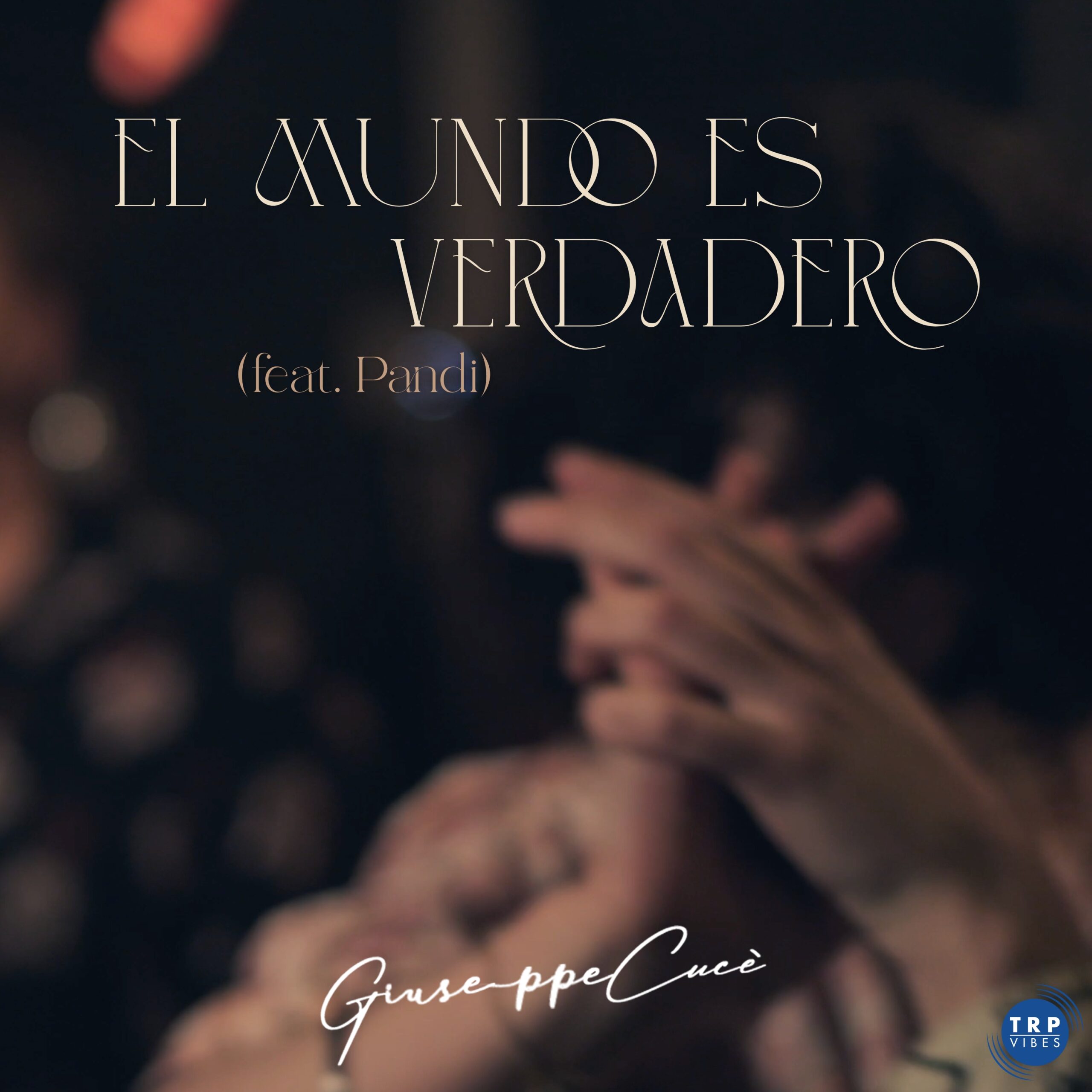
El mundo es verdadero was born from the need to strip reality of its masks. It’s a song about desire and truth — the kind that isn’t comfortable, but necessary. The track moves through raw emotion and Latin-tinged rhythms to tell a story of exposure: when illusions fall, the world doesn’t become easier, it simply becomes real.
How has your creative process evolved over the years?
Over the years, my creative process has become more essential and more honest. I’ve moved away from trying to explain everything and focused instead on listening — to silence, to instinct, to what remains after the noise fades. Today I write and arrange music as a form of excavation: removing layers until only what’s necessary and true is left.
Is there a specific moment in your career that felt like a turning point?
Yes — the turning point wasn’t a single event, but a decision. The moment I stopped measuring my work by external recognition and started trusting my own sense of truth. From there, every choice became clearer: the music, the collaborations, the silence between notes.
What’s one misconception people have about being a musician?
One common misconception is that being a musician is only about inspiration or visibility. In reality, it’s mostly about discipline, doubt, and long periods of invisible work. The art people hear is just the surface — the real journey happens far from the spotlight.
Who or what has been inspiring your music lately?
Lately, I’ve been inspired more by states of being than by specific artists — silence, distance, desire, and the fragile moments when truth reveals itself. I’m drawn to what happens in between things: after the noise, after the celebration, when masks fall and something real remains.
Can you share a memorable or unexpected moment from a live performance?
During a live show, someone once stayed completely still through the entire set — no phone, no applause, just listening. At the end, they came up to me in silence, hugged me, and left without saying a word. It reminded me that sometimes the deepest connection doesn’t need explanation.
How do you handle creative blocks or self-doubt?
I don’t fight creative blocks anymore — I listen to them. Self-doubt often signals that something needs time or honesty. Stepping away, allowing silence, and trusting the process has become part of the work itself.
If you could collaborate with any artist, living or dead, who would it be and why?
I would choose Leonard Cohen — not to add something to his work, but to remove everything unnecessary. His way of turning vulnerability into form, and silence into meaning, deeply resonates with how I approach songwriting today.
What’s a piece of advice you wish you had received earlier in your career?
I wish someone had told me that consistency matters more than intensity. That building a body of work takes time, patience, and the courage to stay when enthusiasm fades. Talent opens the door — staying is a choice.
What’s next for you—any exciting projects or goals on the horizon?
Right now, I’m focused on letting 21 Grammi continue its journey — through live performances, international listening spaces, and deeper connections with audiences. At the same time, I’m already writing again, without urgency, allowing the next chapter to take shape naturally rather than forcing it.